
Chinese-made ADCs stun the field once again
December 9, 2025
Source: drugdu
 508
508
The ESMO-Asia (European Society for Medical Oncology Asian Congress) will be held in Singapore from December 5-7, 2025.
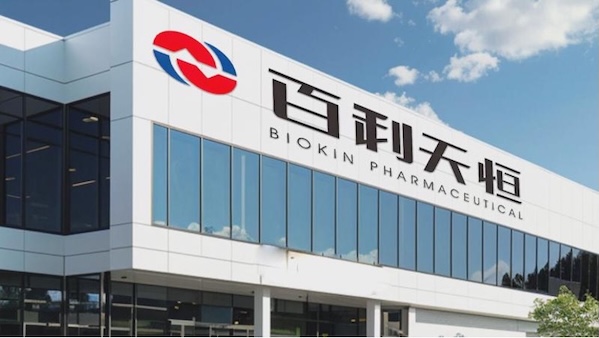
At ESMO-Asia, Baili Tianheng presented clinical data for the first time on its next-generation HER2 ADC drug T-Bren (BL-M07D1) for the treatment of HER2-mutant non-small cell lung cancer.
The study results show that T-Bren has excellent efficacy and outstanding safety in treating HER2-mutant lung cancer, and is expected to become the best-in-class HER2 ADC.
Patients with HER2-mutant lung cancer have long faced treatment challenges. HER2 mutations account for approximately 2%-4% of non-small cell lung cancer patients, and are more common in non-smokers, women, and patients with lung adenocarcinoma. However, the objective response rate of chemotherapy for this disease is only 30%, and the median progression-free survival is about 6 months. Immunotherapy monotherapy and combination therapy have limited efficacy, with first-line combination therapy resulting in a PFS of only 5-10 months. Therefore, HER2 ADC drugs have become the most promising innovative therapy in the field of HER2-mutant lung cancer.
However, one risk of marketed HER2 ADC drugs is of great concern: the high incidence of ILD (interstitial lung disease), with some previous HER2 ADCs showing an ILD incidence exceeding 10%. Interstitial lung disease is the most concerning adverse event for this class of drugs, and some cases can progress to fatal lung injury.
Phase II clinical trial data showed that T-Bren (4.4 mg/kg) achieved an ORR (objective response rate) of 62.0% in 50 previously treated patients with HER2-mutant advanced small cell lung cancer. This means that more than 60% of previously treated advanced patients achieved significant tumor shrinkage of more than 30%, 90% of patients achieved target lesion shrinkage, and the median tumor shrinkage exceeded 50%, demonstrating a significant tumor shrinkage effect.
Long-term efficacy is measured by PFS (progression-free survival) and OS (overall survival). In this study, T-Bren is the first HER2 ADC to achieve a 1-year PFS rate of 74% and a 1-year OS rate of over 85% , leading all current similar therapies in terms of numerical values.
Meanwhile, T-Bren has an excellent safety profile, with no treatment-related ILD events of any grade observed.
Previously, T-Bren had shown remarkable efficacy in HER2-induced advanced breast cancer and advanced gastric cancer. This time, in the field of HER2-mutant non-small cell lung cancer, T-Bren, with its advantages of being more effective and safer, has broken through the dilemma of subsequent-line treatment, marking the development of the HER2 ADC field from "having drugs available" to "selecting the best from what is available".
the Phase III study of iza-bren, a bispecific EGFRⅹHER3 ADC drug developed by Baili Tianheng , which was the world's first bispecific EGFRⅹHER3 ADC drug, in advanced nasopharyngeal carcinoma, was invited to return to the "Asian stage" of ESMO after being presented at the ESMO (European Society for Medical Oncology) Annual Meeting. It was selected for the "ESMO 2025 Highlights Session" and was authoritatively reviewed by the conference as "the most groundbreaking study".
The results showed that compared with standard single-agent chemotherapy, iza-bren doubled the efficacy, increasing the objective response rate (ORR) from about 30% to nearly 60%, and the median progression-free survival (PFS) exceeded 8 months for the first time, while standard chemotherapy only lasted about 4 months.
In the field of advanced nasopharyngeal carcinoma, this is the world's first randomized controlled phase III study. At the same time, this study is also the first confirmatory phase III clinical trial result for bispecific antibody ADC drugs.
Currently, both of Bailitianheng's new ADC drugs have entered the late-stage clinical trials.
T-Bren is conducting more than 10 clinical trials in China and the United States for various HER2-expressing solid tumors, including several Phase III registration clinical studies.
Iza-bren is currently undergoing nearly 40 clinical trials in China and the United States for various tumor types. The most advanced indication, nasopharyngeal carcinoma, has been submitted for marketing approval in China and has been granted priority review status. It is intended for patients with recurrent or metastatic nasopharyngeal carcinoma who have failed prior PD-1/PD-L1 monoclonal antibody therapy and at least two lines of chemotherapy (at least one line of platinum-based therapy). It is expected to be launched in China first in 2026.
https://news.yaozh.com/archive/46434.html
By editor
Copyright©2026 Ddu. All rights reserved.
Read more on
- FDA Approves Revolution Medicines’ Oral RAS Inhibitor Rasonque (daraxonrasib) for Metastatic Pancreatic Cancer October 20, 2026
- Hansoh Pharma Enters Strategic ADC Collaboration with Roche Worth Over US$15.5 Billion October 20, 2026
- New cough medicine launched October 20, 2026
- Shining on the top stage! The world’s first three-target agonist DR10624 MASLD/MASH Phase II results were selected for the latest breakthrough abstract of AASLD. October 20, 2026
- The world’s first long-acting anti-RSV monoclonal antibody has been commercially launched October 20, 2026
your submission has already been received.
OK
Subscribe
Please enter a valid Email address!
Submit
The most relevant industry news & insight will be sent to you every two weeks.