
Eli Lilly invests a staggering 47.7 billion! Betting on next-generation cancer drugs
April 23, 2026
Source: drugdu
 184
184
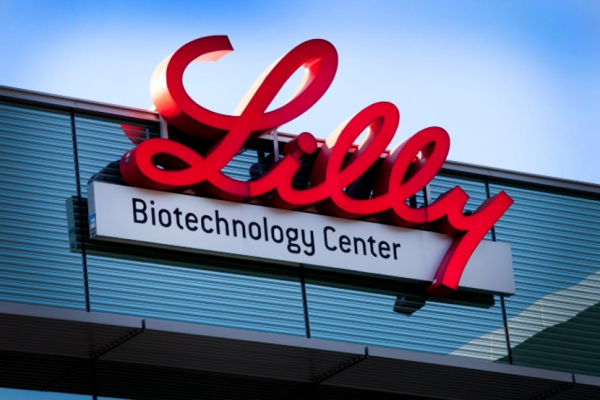 On April 20, Eli Lilly announced a major acquisition: it will acquire biotechnology company Kelonia Therapeutics for a total price of up to $7 billion (approximately RMB 47.7 billion) . At the heart of this acquisition is Kelonia's disruptive in vivo CAR-T technology platform, iGPS .
Traditional CAR-T therapy, hailed as a revolution in cancer treatment, is extremely complex and expensive: it requires extracting T cells from the patient, genetically modifying and expanding them in an external factory, and finally reinfusing them into the patient. This process takes weeks and is costly, severely limiting its accessibility.
Kelonia's technology bypasses this cumbersome process. At its core is a specially modified lentiviral vector that, through intravenous infusion, directly transforms ordinary T cells into CAR-T cells within the patient's body, enabling them to precisely identify and attack cancer cells. This in vivo manufacturing model theoretically transforms CAR-T therapy from a highly personalized, custom-made product into a more readily available, commercially viable drug , potentially significantly reducing costs, simplifying procedures, and benefiting more patients.
Why would Eli Lilly be willing to pay such an exorbitant price for a biotechnology company that doesn't yet have any products on the market? The answer lies in the amazing potential shown by Kelonia's core pipeline , KLN-1010 .
in vivo CAR-T therapy targeting BCMA for the treatment of relapsed or refractory multiple myeloma. Kelonia previously released clinical trial data from the first four patients, showing that all four achieved minimal residual disease (MRD) negativity, resulting in a 100% response rate . Even more encouragingly, this therapy does not require the lymphoblastic chemotherapy pretreatment necessary for traditional CAR-T therapy and exhibits a good safety profile.
This impressive early data was the direct catalyst for Eli Lilly's significant investment. It demonstrated that the iGPS platform can not only effectively generate CAR-T cells in the human body, but also that the generated cells possess strong proliferative capacity and persistence , with therapeutic effects comparable to or even surpassing existing in vitro CAR-T therapies.
It's worth noting that this acquisition is a key step in Eli Lilly's grand strategy. In recent years, thanks to its huge success in the weight-loss drug field, Eli Lilly's market capitalization once topped the list of global pharmaceutical companies. However, with competitors such as Novo Nordisk closing in, and the potential risk of a patent cliff in the future, over-reliance on a single business has become a hidden concern for its development.
Therefore, Eli Lilly is diversifying at an unprecedented speed and scale. In 2026 alone, Eli Lilly announced several major acquisitions, making intensive investments in multiple cutting-edge therapeutic areas such as oncology, autoimmune diseases, and neuroscience, transforming itself from a weight-loss drug giant into a leading diversified health management company with a balanced business and a deep pipeline.
In conclusion , Eli Lilly's $7 billion acquisition of Kelonia is not merely a business transaction, but a crucial bet on the future direction of next-generation cell therapies. It signifies that in vivo CAR-T therapy, a cutting-edge technology, is moving from concept to reality and rapidly becoming the ultimate battleground for global pharmaceutical companies. For Eli Lilly, this is both a strategic move to solidify its position in the oncology field and a key step in moving away from reliance on a single business and building a long-term growth engine.
https://news.yaozh.com/archive/47855.html
By editor
Copyright©2026 Ddu. All rights reserved.
Read more on
- CPHI Milan 2026 Recap | What Did Drugdu.com Bring Back from Milan? October 9, 2026
- Novo Nordisk and Nanexa Ink Up to €1.165B Long-Acting Delivery Deal for Obesity and Diabetes September 29, 2026
- siRNA Biotech ADARx Raises $446M in 2026’s Third-Largest Biotech IPO September 29, 2026
- Merck and Eisai’s Welireg Plus Lenvima Approved by FDA for Previously Treated Advanced Kidney Cancer September 29, 2026
- Mirum and Incyte’s Atebrioz Wins FDA Approval for Rare Bone Disorder FOP September 29, 2026
your submission has already been received.
OK
Subscribe
Please enter a valid Email address!
Submit
The most relevant industry news & insight will be sent to you every two weeks.