
China’s top-tier ADC “targets” lung cancer
December 2, 2025
Source: drugdu
 426
426
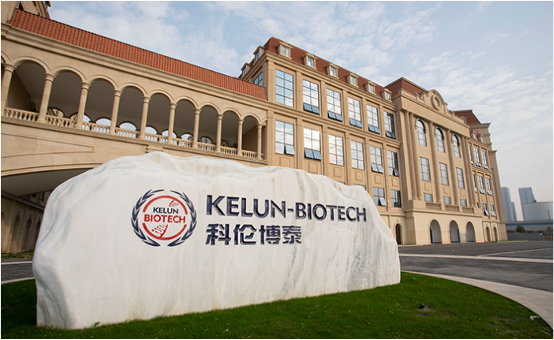 In August of this year, Kelun Biotech's market capitalization surpassed HK$100 billion for the first time, becoming a rising star in the innovative drug field. Since its listing on the Hong Kong Stock Exchange in July 2023, its share price and market capitalization have experienced dramatic ups and downs; however, setbacks have not hindered Kelun Biotech's progress.
Recently, Kelun Biotech announced that its domestically produced flagship ADC drug, saconduit (sac-TMT), in combination with Keytruda (pembrolizumab) in the first-line treatment of PD-L1 positive NSCLC, met its primary endpoint in the Phase III OptiTROP-Lung05 study. This marks another key step in Kelun Biotech's globalization process, and domestically produced ADCs have officially launched their offensive in the lung cancer battlefield.
01 Phase 3 Success
Sacubituzumab (sac-TMT) is an ADC targeting TROP2. The drug is composed of a humanized monoclonal antibody, sacituzumab, an enzymatically cleavable linker, and a novel topoisomerase I inhibitor, toxin T030. It has a drug-to-antibody ratio (DAR) of up to 7.4, combining safety and efficacy. It also has a "bystander effect" by killing heterogeneous cells surrounding tumor cells.
At ESMO 2025, Kelun Biotech won three Breakthrough Abstracts (LBAs). Among them, the results of the Phase III OptiTROP-Lung04 study of lucacanthosumab were selected for oral presentation at the conference chair forum. This is the world's first Phase III clinical study to demonstrate that ADCs showed significant OS benefits compared to platinum-based doublet chemotherapy in TKI-resistant EGFR-mutant NSCLC.
On November 24, Kelun Biotech announced that the Phase III OptiTROP-Lung05 study, in which sac-TMT in combination with Keytruda (pembrolizumab) was used as first-line treatment for PD-L1-positive non-small cell lung cancer (NSCLC), met its primary endpoint in the pre-specified interim analysis for progression-free survival (PFS), demonstrating a statistically and clinically significant improvement, and observing a trend toward benefit in overall survival (OS). Kelun Biotech noted that this is the first Phase III clinical trial of a PD-(L)1+ADC for first-line treatment of NSCLC to meet its primary endpoint.
Although the trial was primarily conducted in a Chinese patient population, and the control group received pembrolizumab monotherapy, its direct impact on the global first-line treatment landscape may be limited. However, the results are sufficient to advance the domestic regulatory approval process. Based on the interim analysis results, Kelun Biotech plans to communicate with the CDE regarding its supplemental New Drug Application (sNDA) for sac-TMT. It is expected that the approval of sac-TMT in combination with Keytruda (pembrolizumab) for first-line treatment of PD-L1-positive NSCLC in China is only a matter of time.
To date, sac-TMT has been approved for marketing in China for three indications: treatment of adult patients with unresectable locally advanced or metastatic triple-negative breast cancer (TNBC) who have received at least two prior systemic therapies (at least one for advanced or metastatic settings); EGFR mutation-positive locally advanced or metastatic non-squamous NSCLC whose disease has progressed after EGFR-TKI therapy and platinum-based chemotherapy; and EGFR mutation-positive locally advanced or metastatic non-squamous NSCLC whose disease has progressed after EGFR-TKI therapy. In addition, the sNDA for sac-TMT for the treatment of adult patients with unresectable locally advanced, metastatic HR+/HER2-BC who have received prior endocrine therapy and other advanced or metastatic systemic therapies has been accepted by the CDE and included in the priority review and approval process.
Meanwhile, Kelun Biotech is systematically advancing the development of sac-TMT through multiple registrational clinical studies. Currently, the drug is undergoing nine registrational clinical trials in two major areas: breast cancer and lung cancer, including monotherapy and combination therapy, extending from later-line treatment to earlier-line therapy. In May 2022, Kelun Biotech licensed the exclusive rights to develop, use, manufacture, and commercialize sac-TMT outside of Greater China to Merck. Merck will be responsible for the global development and commercialization of lucastatin outside of Greater China. Merck has led more than ten global Phase III clinical trials, including multiple cancer types such as gastric cancer and urothelial carcinoma, with data expected as early as the beginning of 2028.
In terms of commercialization, SAC-TMT has demonstrated strong market appeal since its approval for launch in November 2024. According to Kelun Biotech's 2025 interim report, the drug's sales revenue exceeded 300 million yuan in the first half of the year, accounting for 97.6% of Kelun Biotech's total drug sales, successfully marking the start of its commercialization year. Furthermore, the $700 million royalty agreement between Merck and Blackstone has provided financial support for the global development of SAC-TMT, highlighting the capital market's recognition of its prospects.
02. The competition for TROP2 ADCs is fierce.
According to Frost & Sullivan's forecast, the global ADC market is expected to reach $115.1 billion by 2032, with a projected compound annual growth rate (CAGR) of 31% from 2024 to 2032. In 2024, the global ADC drug market already reached $13.2 billion, a year-on-year increase of 27%, with six ADC drugs already achieving blockbuster status with sales exceeding $1 billion, including Enhertu, Padcev, Polivy, and Trodelvy. Most of these drugs were approved after 2019, gaining market recognition in just three to four years, highlighting the clinical value and commercial potential of ADC technology platforms.
As of November 2025, the US FDA has approved 15 ADC drugs, and China's NMPA has approved 14. Furthermore, marketing applications for new drugs such as Datroway, Blenrep, and Tivdak have been accepted, and they are expected to be approved in China within the next year. Notably, of the 21 ADC drugs approved globally, 5 were developed by Chinese pharmaceutical companies. China has joined the ranks of the world's leading countries in ADC, bispecific antibodies, and cell therapy, becoming a significant force in innovative research and development.
The competition is particularly fierce in the TROP2 ADC segment.
The first marketed TROP2 ADC was Gilead's Trodelvy, which initially received approval for triple-negative breast cancer (TNBC) and hormone receptor-positive/HER2-negative breast cancer (HR+/HER2-BC). However, it was withdrawn from the market for urothelial carcinoma (UC) and failed in the EVOKE-01 study for NSCLC, casting a shadow over its future growth. Furthermore, Trodelvy has off-target toxicity issues, potentially causing severe neutropenia and diarrhea, and has been placed under a black box warning by the FDA. Although Trodelvy remains the only marketed TROP2 ADC in 2024, its setback in lung cancer has prevented the market landscape from solidifying, instead creating opportunities for other companies to catch up.
Meanwhile, Datopotamab deruxtecan (Dato-DXd), jointly developed by AstraZeneca and Daiichi Sankyo, has also garnered significant attention. This drug is based on Daiichi Sankyo's DXd-ADC technology platform, focusing on breast cancer and NSCLC. On January 17, 2025, Dato-DXd received FDA approval in the United States for the treatment of adult patients with HR-positive/HER2-negative breast cancer. On August 22, Dato-DXd was approved for marketing in China for the treatment of adult patients with unresectable or metastatic hormone receptor (HR)-positive, human epidermal growth factor receptor 2 (HER2)-negative (IHC 0, IHC 1+, or IHC 2+/ISH-) breast cancer who have previously received endocrine therapy and at least one line of chemotherapy in advanced stages. It has become a strong competitor to Trodelvy.
Kelun Biotech's sac-TMT is the world's second and China's first domestically produced TROP2 ADC to be marketed. This drug optimizes the linker based on Trodelvy, significantly improving drug stability and therapeutic window. Currently, sac-TMT is undoubtedly the most promising ADC product to become a cornerstone drug, offering advantages in efficacy, price, and indications compared to the other two marketed TROP2 ADCs. In the lung cancer field alone, it has already demonstrated superior efficacy compared to existing therapies in multiple areas, including first-line treatment of EGFR-mutant and EGFR-negative patients, and even previously treated rare EGFR mutations and KRAS mutations.
In addition to the three leading products mentioned above, several other domestically produced TROP2 ADCs are actively entering the international arena. Xujian Bio's ESG-401, developed in collaboration with Lianning Bio, and Hengrui's SHR-1921, have both progressed to Phase III clinical trials. Baili Tianheng's BL-M02D1 has shown superior potential compared to Trodelvy and Dato-DXd in preclinical studies.
In addition, MNCs have not relaxed their plans. Merck initiated the Phase III Evoke-03 trial of Trodelvy in combination with PD-1/PD-L1 inhibitors, which aims to explore the efficacy in NSCLC patients with high PD-L1 expression. Meanwhile, AstraZeneca's Phase III Avanzar trial plans to evaluate the performance of Dato-DXd in combination with durvalumab and chemotherapy in first-line NSCLC, with results expected to be released in the first half of 2026.
03 What other tricks does Kolenbote have up its sleeve?
With its deep expertise in the ADC field, Kelun Biotech has made forward-looking investments in the ADC field and in the direction of novel conjugate drugs, and has a highly competitive product pipeline.
Its other core product, trastuzumab (A166), is an ADC drug targeting HER2. This drug uses a stable, enzymatically cleavable linker to conjugate a novel MMAF derivative, the highly cytotoxic microtubule inhibitor Duo-5, to a HER2 monoclonal antibody, with a DAR value of 2. A166 specifically binds to HER2 on the surface of tumor cells, enters the cell via endocytosis, and releases the toxic molecule Duo-5 intracellularly, causing cell cycle arrest in the G2/M phase and inducing tumor cell apoptosis.
In a head-to-head phase III study of HER2-positive breast cancer as second-line treatment, A166 significantly outperformed Roche's T-DM1 in the primary endpoint of progression-free survival (PFS). On October 17, 2025, A166 was approved for marketing in the HER2-positive breast cancer indication, becoming the first domestically produced ADC drug approved for this indication in China. In the future, trastuzumab is expected to become a new growth driver for Kelun Biotech.
In addition to A166, Kelun Biotech has developed more than ten other ADC-based R&D pipelines, covering multiple popular or emerging targets such as HER2, Claudin18.2, Nectin-4, and PTK7, involving various solid tumors, autoimmune diseases, and metabolic diseases. These include SKB315, SKB410/MK-3120, SKB571/MK-2750, SKB518, SKB535/MK-6204, SKB445, SKB500, SKB501, and SKB107.
Among them, SKB571/MK-2750 is the first novel bispecific antibody ADC drug developed by Kelun Biotech in collaboration with Merck. It is currently in the early stage of clinical trials and is mainly targeted at solid tumors such as lung cancer (LC) and colorectal cancer (CRC). Phase I clinical trials are being conducted in China.
SKB107 is the first radiopharmaceutical project jointly developed by Kelun Biotech and the Affiliated Hospital of Southwest Medical University, for the treatment of bone metastases from advanced solid tumors. Radiodrug conjugates (RDCs) are still a relatively untapped market in China, and Kelun Biotech's early investment has given it a head start in this niche market of nuclear medicine therapy.
SKB315 is a novel ADC targeting CLDN18.2, and a phase Ib clinical trial for its indication in gastric cancer is underway.
SKB410/MK-3120 (Nectin-4 ADC) is a Nectin-4 ADC targeting advanced solid tumors, which has completed Phase I clinical trials; Merck has initiated its global Phase I/II clinical study, which is expected to explore multiple indications;
SKB518, SKB535/MK-6204, and SKB445 are all novel ADC drugs with potential "FIC" targets, and each is conducting Phase I clinical trials in China. Among them, SKB535 has entered into a collaboration licensing agreement with Merck.
In addition, SKB500 and SKB501 target validated targets but employ differentiated payload-connection strategies and have already received clinical trial notifications.
https://news.yaozh.com/archive/46371.html
By editor
Copyright©2026 Ddu. All rights reserved.
Read more on
- FDA Approves Revolution Medicines’ Oral RAS Inhibitor Rasonque (daraxonrasib) for Metastatic Pancreatic Cancer October 20, 2026
- Hansoh Pharma Enters Strategic ADC Collaboration with Roche Worth Over US$15.5 Billion October 20, 2026
- New cough medicine launched October 20, 2026
- Shining on the top stage! The world’s first three-target agonist DR10624 MASLD/MASH Phase II results were selected for the latest breakthrough abstract of AASLD. October 20, 2026
- The world’s first long-acting anti-RSV monoclonal antibody has been commercially launched October 20, 2026
your submission has already been received.
OK
Subscribe
Please enter a valid Email address!
Submit
The most relevant industry news & insight will be sent to you every two weeks.