
The super-big drug race has been upgraded again
March 31, 2026
Source: drugdu
 223
223
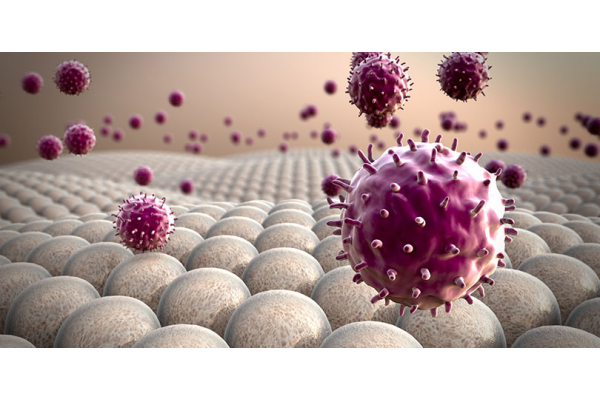
Autoimmune diseases have become the second largest pharmaceutical market globally after oncology, with the psoriasis drug segment being particularly prominent, having given birth to multiple “blockbuster drugs” with staggering sales. Although market competition has intensified, the field is undergoing a new round of optimization and upgrading driven by innovative therapies.
The treatment of psoriasis has evolved from tumor necrosis factor (TNF) inhibitors (e.g., Humira) to interleukin (IL) inhibitors (e.g., Stelara, Skyrizi), and further to oral small-molecule targeted drugs (e.g., PDE4 inhibitors, JAK inhibitors). Leveraging a large patient population, these drugs have generated cumulative sales exceeding one hundred billion dollars.
Currently, psoriasis treatments present a diversified landscape, with validated targets such as JAK, IL-17, IL-23, and TYK2 being focal points of R&D amid fierce competition. Numerous domestic pharmaceutical companies are also actively engaging in follow-up research and development in areas like IL-23, IL-17A/F dual-target, and PDE4 inhibitors, with some products already under regulatory review or in Phase III clinical trials.
The path to future breakthroughs lies in innovation. For instance, Johnson & Johnson's newly approved oral IL-23R antagonist marks the beginning of a new era in oral peptide therapy; UCB's IL-17A/F dual-target inhibitor has demonstrated superior performance in head-to-head studies. Meanwhile, exploration of novel targets such as A3AR and S1PR1, along with the application of new technologies like PROTAC, is opening up new growth avenues for the market.
https://news.yaozh.com/archive/47632.html
By editor
Copyright©2026 Ddu. All rights reserved.
Read more on
- What Are Buyers Looking For, and What Are Suppliers Focused On? September 23, 2026
- Novartis acquires Sironax’s blood-brain barrier delivery platform for $125 million September 17, 2026
- IASO Bio’s in vivo CAR-T IASO208 receives FDA clinical trial clearance September 17, 2026
- NMPA accepts marketing registration application for Velsipity domestic manufacturing transfer September 17, 2026
- Ziprasidone mesylate from SSY Group has been approved for registration as an active pharmaceutical ingredient. September 17, 2026
your submission has already been received.
OK
Subscribe
Please enter a valid Email address!
Submit
The most relevant industry news & insight will be sent to you every two weeks.