
March 18th National Liver Care Day | Seize the new hope for a cure, don’t let hepatitis B “endure” into liver cancer.
March 19, 2026
Source: drugdu
 191
191
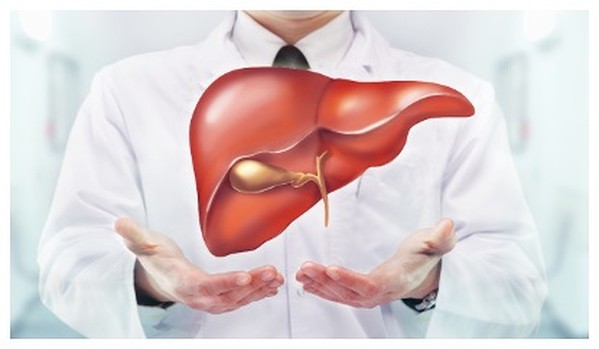 The theme of National Liver Care Day on March 18, 2026, is "Curbing Cirrhosis and Staying Away from Liver Cancer." For my country, a country with a high prevalence of hepatitis B, this theme is particularly weighty and urgent.
The data is alarming: In 2022, my country saw approximately 367,700 new cases of liver cancer and 316,500 deaths, ranking fourth and second among malignant tumors in terms of incidence and mortality, respectively. Even more alarming is that the vast majority of liver cancer patients in my country have a background of hepatitis B virus (HBV) infection, with over 70% of primary liver cancer patients testing positive for hepatitis B surface antigen. Due to late detection, the 5-year overall survival rate for liver cancer patients in my country is less than 15%.
However, many hepatitis B patients still have a fatal misconception: " I have no symptoms and my transaminase levels are normal, so I won't get treatment yet ."
It is this "procrastination" that allows the liver to gradually progress towards cirrhosis and even liver cancer in seemingly peaceful days.
Why can't we wait until symptoms appear before starting treatment?
The terrifying aspect of hepatitis B lies in its insidious nature. The virus replicates in the body for a long time, triggering repeated inflammation and repair processes in the liver. Each repair process can leave "scars" (fibrosis), and when these scars accumulate to a certain extent, they develop into cirrhosis. Against the backdrop of long-term inflammation or cirrhosis, the risk of liver cancer skyrockets.
Data shows that approximately 15%-40% of chronic hepatitis B carriers may eventually develop cirrhosis, liver cancer, or liver failure. In 2019, there were approximately 162,000 deaths from hepatitis B-related liver diseases in my country, of which approximately 26.04% were attributed to hepatitis B-related cirrhosis and other chronic liver diseases, and approximately 72.18% were attributed to hepatitis B-related liver cancer. Data from 1990 to 2019 shows that hepatitis B virus-related liver cancer deaths accounted for as much as 63% of all liver cancer deaths in my country. Furthermore, a systematic review and meta-analysis of primary liver cancer (PLC) patients in my country showed that the seropositivity rate of HBV infection among PLC patients was approximately 75.09%.
Therefore, the latest version of my country's "Guidelines for the Prevention and Treatment of Chronic Hepatitis B" has clearly broadened the treatment threshold: as long as serum HBV DNA is positive and meets any of the following conditions, antiviral therapy is recommended regardless of transaminase levels:
1. Family history of hepatitis B cirrhosis or hepatocellular carcinoma (HCC);
2. Age > 30 years old;
3. Non-invasive markers or liver histology examination suggest significant liver inflammation (G≥2) or fibrosis (F≥2);
4. HBV-related extrahepatic manifestations (such as HBV-related glomerulonephritis).
In addition, patients with clinically diagnosed compensated or decompensated cirrhosis must undergo antiviral treatment, regardless of viral load or transaminase levels.
II. Antiviral Treatment: Putting a "Slow Down" on Liver Disease
The good news is that hepatitis B is one of the few chronic diseases with "clear causes and effective control methods".
Standardized and continuous antiviral treatment aims not to "wait until you feel unwell before treating," but to suppress viral replication stably in the long term and block the evolutionary chain of inflammation-fibrosis-cirrhosis-liver cancer.
Evidence suggests:
1. Antiviral therapy can reduce serious liver-related adverse outcomes.
Recent large-scale real-world studies have shown that first-line antiviral drugs (such as tenofovir) are associated with a lower risk of adverse outcomes such as liver cancer and decompensation.
2. The more complete and faster the viral suppression, the lower the risk of fibrosis/cirrhosis.
The study suggests that among hepatitis B patients receiving standard antiviral therapy, slower viral suppression is associated with a higher risk of fibrosis/cirrhosis—which underscores the importance of early and standardized treatment, improved adherence, and reduced missed doses.
3. Antiviral treatment helps to "reduce fibrosis," and some patients may experience fibrosis reversal.
Regarding the improvement of fibrotic burden by long-term antiviral therapy, there are already multicenter long-term follow-up studies supporting this, suggesting that antiviral therapy is not only a "control indicator" but may also bring benefits at the liver structural level.
4. In individuals with hepatitis B-related cirrhosis, antiviral therapy can reduce the incidence of liver cancer and mortality.
For individuals with hepatitis B-related cirrhosis, studies have also suggested that first-line antiviral therapy is associated with a lower cumulative incidence of liver cancer and a lower risk of death.
In short, antiviral therapy is like pressing the "slow down" button on the progression of liver disease. For eligible patients, clinical cure (functional cure) should also be pursued.
III. A Glimmer of Hope for Innovative Drugs: China's Original Research Team Aims for "Clinical Cure of Hepatitis B"
Currently, nucleoside analogues remain the mainstay of hepatitis B treatment. They can strongly inhibit viral replication, but they are difficult to completely eliminate the viral "seeds" (cccDNA) in the hepatocyte nucleus. Therefore, most patients need to take medication for a long time.
In recent years, global research and development of new drugs for hepatitis B has shifted from "single-point suppression" to "multi-target combination." Chinese innovative drug R&D companies have also made breakthroughs in this battle, with two types of innovative drugs, represented by GST-HG131 and GST-HG141 from Guang Sheng Tang Pharmaceutical, bringing new hope to the pursuit of "clinical cure."
GST-HG141 (oral nucleocapsid modulator): Inhibits viral replication and assembly;
GST-HG131 (oral HBsAg inhibitor): dedicated to clearing hepatitis B surface antigen and achieving functional cure.
Two drugs have successively won national and international honors:
1. Both GST-HG141 and GST-HG131 have been recognized as "Breakthrough Therapy Products" by the state.
2. The phase II clinical trial results of GST-HG141 were published in eClinical Medicine, a sub-journal of The Lancet.
3. Two drugs were showcased at the American Association for the Study of Liver Diseases (AALZ) Annual Meeting;
4. The Phase III and expansion phases of clinical trials for GST-HG141 and the combined clinical study of GST-HG141 and GST-HG131 were both selected for the National Science and Technology Major Project on "Prevention and Control of Emerging and Re-emerging Major Infectious Diseases".
This means that future hepatitis B treatment may move from "monotherapy maintenance" to a new stage of "combination therapy for a cure." Guang Sheng Tang's "Peak Climbing Plan" combination therapy aims to overcome the challenges of clinical cure for hepatitis B through a dual mechanism: on the one hand, reducing surface antigen and breaking immune tolerance; on the other hand, regulating viral core proteins and restoring antiviral immunity, providing patients with lasting hope for a cure.
IV. Conclusion: No waiting, no wishful thinking.
The insidious nature of hepatitis B means it cannot be managed based on "feelings." From the misconception that "no symptoms, no treatment" to the scientific consensus of "early suppression, long-term control, and prevention of liver cancer," the concept of hepatitis B treatment is undergoing a profound transformation.
On National Liver Care Day, we reiterate our appeal: Don't let hepatitis B progress to cirrhosis, and don't wait until liver cancer knocks on your door before taking action . Scientific antiviral treatment, and the sooner you begin standardized treatment, the greater your chances of avoiding liver cancer. With advancements in medicine and the rise of original research capabilities in China, we wish every hepatitis B patient a truly clean and healthy future.
https://news.yaozh.com/archive/47495.html
By editor
Copyright©2026 Ddu. All rights reserved.
Read more on
- What Are Buyers Looking For, and What Are Suppliers Focused On? September 23, 2026
- Novartis acquires Sironax’s blood-brain barrier delivery platform for $125 million September 17, 2026
- IASO Bio’s in vivo CAR-T IASO208 receives FDA clinical trial clearance September 17, 2026
- NMPA accepts marketing registration application for Velsipity domestic manufacturing transfer September 17, 2026
- Ziprasidone mesylate from SSY Group has been approved for registration as an active pharmaceutical ingredient. September 17, 2026
your submission has already been received.
OK
Subscribe
Please enter a valid Email address!
Submit
The most relevant industry news & insight will be sent to you every two weeks.