
Another pharmaceutical giant terminates AAV gene therapy business
October 9, 2025
Source: drugdu
 327
327
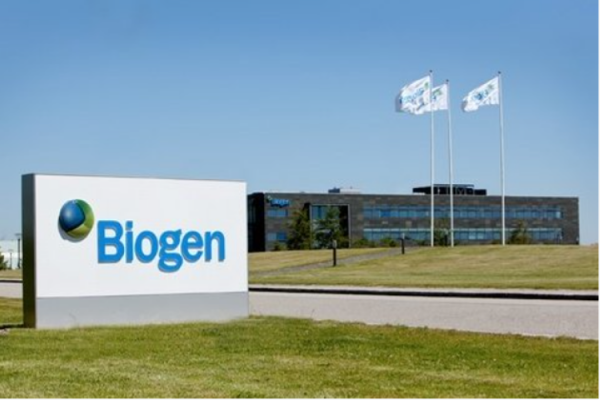 According to foreign media reports, Biogen has terminated all gene therapy projects based on adeno-associated virus (AAV) capsids.
In fact, Biogen deprioritized gene therapy as early as 2023. Now, as part of its ongoing capital allocation strategy, the company will completely abandon AAV technology.
Biogen is a biotechnology company with deep expertise in rare and genetic diseases. The company said it will continue to focus on this area in the future and concentrate its resources on advanced therapies and drugs that have greater potential and are more likely to bring better therapeutic effects to patients.
Most of the team members who were previously responsible for AAV vector research and development have been reassigned to other positions within the company, but a small number of people are still facing layoffs, involving R&D, operations, technology and other positions.
Biogen is not the first company to abandon AAV technology.
AAV (adeno-associated virus) is a viral vector commonly used to deliver gene therapy. Its advantages lie in its relative stability and long-term expression.
Currently, several gene drugs based on this technology have been approved for marketing, such as Luxturna developed by Spark, a subsidiary of Roche, for the treatment of retinal diseases, and Zolgensma developed by Novartis for the treatment of spinal muscular atrophy.
However, AAV gene therapy also faces significant challenges, including cost, immunogenicity, and safety. The sky-high price tag of $1-3 million is in stark contrast to its uncertain clinical benefits. This has led to a period of rational adjustment in the field, with some companies opting to scale back or exit, redirecting resources to other areas with greater certainty.
Takeda Pharmaceuticals concluded its early-stage research work on AAV in 2023.
Roche also carried out a "fundamental restructuring" of its gene therapy division Spark Therapeutics, fully writing down $2.4 billion in goodwill.
Earlier this year, Pfizer withdrew its AAV gene therapy Beqvez, used to treat hemophilia B, from the market. This product, which had only been approved by the FDA for the treatment of hemophilia B in April 2024 and had a price tag of $3.5 million, was withdrawn from the market by Pfizer less than a year after its launch.
Vertex also announced this year that it would stop research on using adeno-associated virus (AAV) as a gene therapy vector.
Now, Biogen has joined this group, becoming another large pharmaceutical company to withdraw from AAV technology.
The former "star" vectors have encountered a cold winter, and the giants have collectively shifted their focus, but this does not deny the future of gene therapy. It may also prompt the industry to invest capital in new technologies with greater potential, thereby promoting the emergence and growth of the next generation of gene therapy technology.
https://news.yaozh.com/archive/46101.html
By editor
Copyright©2026 Ddu. All rights reserved.
Read more on
- Five innovative drugs approved for marketing September 11, 2026
- Subsidiary’s novel coronavirus mRNA vaccine receives drug registration certificate September 11, 2026
- Lincomycin Hydrochloride Injection passes generic drug consistency evaluation September 11, 2026
- CSPC Pharmaceutical Group’s innovative chemical drug SYH2083 eye drops approved for clinical trials in China September 11, 2026
- Novel influenza virus mRNA vaccine approved for clinical trials September 11, 2026
your submission has already been received.
OK
Subscribe
Please enter a valid Email address!
Submit
The most relevant industry news & insight will be sent to you every two weeks.