
Antihypertensive and lipid-lowering drugs show efficacy against steatotic liver disease
October 7, 2025
Source: drugdu
 470
470
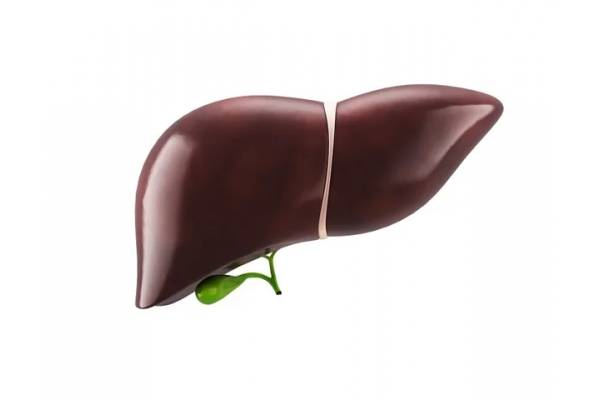
Metabolic dysfunction-associated steatotic liver disease is the most common liver disease in the world, affecting about one third of the adult population. This disorder is characterized by the accumulation of fat in liver cells, which has severe liver consequences and is also associated with a high mortality rate from cardiovascular disease.
Now, a University of Barcelona study published in the journal Pharmacological Research shows that pemafibrate and telmisartan, two drugs already approved for other conditions, effectively reduce fat accumulation in laboratory animal models of metabolic liver disease. Furthermore, the study suggests that this combination of drugs may help to reduce both liver involvement and associated cardiovascular complications. These results open the door to the development of safer and more effective treatments for this disease, for which current therapeutic options are very limited.
The study has been carried out by a team led by Marta Alegret, professor at the UB's Faculty of Pharmacy and Food Sciences, the Institute of Biomedicine of the UB (IBUB) and the CIBER Area for Physiopathology of Obesity and Nutrition (CIBEROBN). The study has been carried out in collaboration with researchers from the Santa Creu i Sant Pau Hospital Research Institute, the Hospital Clínic de Barcelona, the CIBER Area for Cardiovascular Diseases (CIBERCV) and Uppsala University (Sweden).
physiology similar to those of mammals,"says the UB professor.
The results show that the combination of the two drugs reverses the fat accumulation in the liver induced by a diet high in fat and fructose. In addition, in the rat model, the combined administration of half a dose of pemafibrate and half a dose of telmisartan was found to be as effective as a full dose of either drug in reducing fat accumulation."Combination therapy with drugs acting on different pathogenic pathways may be a better strategy than monotherapy, thanks to possible synergistic effects and reduced toxicity related to the use of lower doses of each drug,"Alegret points out.
The combination of these two drugs would be beneficial not only for liver disease, but also because"it lowers blood pressure and cholesterol levels, and all this would result in a lower cardiovascular risk,"she stresses.
Different lipid-lowering mechanisms
The study also found that each drug works by different mechanisms and describes, for the first time, the key role of the PCK1 protein in telmisartan-derived hepatic lipid lowering."Telmisartan is a drug that has been used in other models of MASLD, but mostly in more advanced stages of the disease, and its beneficial effects have been attributed mainly to anti-inflammatory and anti-fibrotic effects. But in the early stages of the disease there is no inflammation or fibrosis yet, only lipid accumulation,"explains the researcher.
Researchers have now found that the amount of PCK1 protein in the livers of MASLD animals was reduced and that treatment with telmisartan restored its levels to normal."This increase in PCK1 diverts the flux of metabolites from lipid synthesis to glucose synthesis. This increase in glucose production could be negative if the glucose were exported and accumulated in the blood, as it could lead to diabetes, but we have noticed that this is not the case,"says the UB professor.
Still far from clinical application
Despite these promising results, the researchers point out that, as this is a study using animal models, they are still far from patients."In order to be translated into a treatment for MASLD patients, clinical studies would be needed to show that the benefits observed in animal models also occur in humans,"says Alegret.
In any case, the results raise new questions, such as whether the drugs will be equally effective in more advanced stages of the disease, when fibrosis is present. The research team is therefore already working on new studies in animal models of diet-induced liver fibrosis."In addition, we will develop a dual model involving liver fibrosis and cardiovascular disease to see if the beneficial action is observed not only in the liver, but also in the reduction of atherosclerosis,"he concludes.
Source:
Universidad de Barcelona
Journal reference:
Bentanachs, R., et al. (2025) Telmisartan Reverses Hepatic Steatosis via PCK1 Upregulation: A Novel PPAR-independent Mechanism in Experimental Models of MASLD. Pharmacological Research. doi.org/10.1016/j.phrs.2025.107860.
By editor
Copyright©2026 Ddu. All rights reserved.
Read more on
- Novo Nordisk and Nanexa Ink Up to €1.165B Long-Acting Delivery Deal for Obesity and Diabetes September 29, 2026
- siRNA Biotech ADARx Raises $446M in 2026’s Third-Largest Biotech IPO September 29, 2026
- Merck and Eisai’s Welireg Plus Lenvima Approved by FDA for Previously Treated Advanced Kidney Cancer September 29, 2026
- Mirum and Incyte’s Atebrioz Wins FDA Approval for Rare Bone Disorder FOP September 29, 2026
- J&J in Talks to Sell DePuy Synthes to Apollo September 29, 2026
your submission has already been received.
OK
Subscribe
Please enter a valid Email address!
Submit
The most relevant industry news & insight will be sent to you every two weeks.