
These 4 new drugs have no American subjects, but are listed in the United States
August 5, 2025
Source: drugdu
 322
322
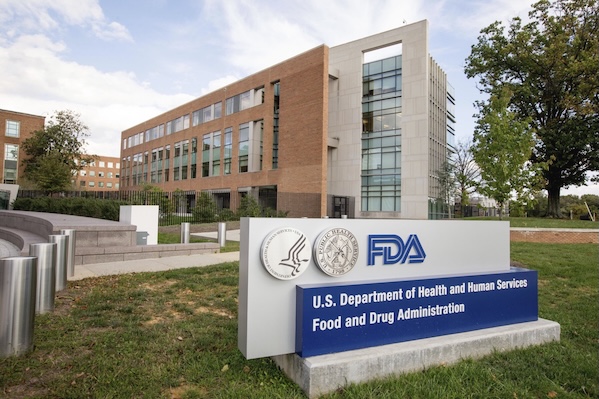 As global drug research and development enters a period of clinical globalization and diversified approval pathways, how drug regulatory agencies evaluate and accept data from different sources is no longer just a matter of technical judgment, but also involves institutional mutual trust, geopolitics, and even the reshaping of the industrial landscape.
According to the FDA's "Drug Trials Snapshots 2024" report, the FDA approved four drugs in 2024 without any U.S. subjects involved. This rare move was widely interpreted as the FDA's loosening of its stance on global data sources under certain conditions.
Zero American Subjects: Analyzing Trend Changes from Individual Cases
In 2024, the FDA approved 50 new drugs, four of which did not include any U.S. subjects at all.
The four drugs are: EXBLIFEP (drug for complicated urinary tract infections), PIASKY (a rare disease treatment for paroxysmal nocturnal hemoglobinuria), TEVIMBRA (a PD-1 drug for esophageal cancer), and UNLOXCYT (for the treatment of squamous cell carcinoma of the skin that cannot be treated with surgery or radiotherapy).
EXBLIFEP (cefepime/enmetazobactam compound)
Developer: Allecra Therapeutics (Germany)
Indications: Complicated urinary tract infection (cUTI) in adults
Approval date: February 2024
Mode: Small molecules
Clinical trial distribution: Phase III studies mainly conducted in Europe
Why zero US subjects is feasible: The project is supported by FDA QIDP (Qualified Infectious Disease Product) qualification, and the Phase III study is a rigorous double-blind, randomized controlled trial. The control group is piperacillin + tazobactam, and the efficacy is significantly better than the control. Because European cUTI patients are widely distributed and have a similar microbiome spectrum to the US population, the FDA has determined that it has statistical and medical extrapolation value.
PIASKY (crovalimab)
Developer: Jointly developed by Roche (Switzerland) and Chugai (Japan)
Indications: Long-term maintenance treatment of PNH (paroxysmal nocturnal hemoglobinuria) patients aged 12 years and above
Approval date: June 2024
Modality: Monoclonal antibody
Clinical trial distribution: Many Asian countries including Japan, China, Singapore, and some EU countries
Why zero US subjects is feasible: This drug is the first subcutaneously administered complement inhibitor, offering significant compliance advantages. ROCHE submitted a detailed global data package from the COMMODORE 2 study to the FDA, comparing it to existing eculizumab treatments. The incidence of PNH in the US is extremely low, and the FDA accepted historical controls and external corroboration models as reasonable alternatives.
TEVIMBRA (tislelizumab)
Developer: BeiGene (China)
Indications: Locally advanced or metastatic esophageal squamous cell carcinoma who have received prior chemotherapy
Approval date: March 2024
Modality: Monoclonal antibody
Clinical trial distribution: Pivotal Phase III (RATIONALE 302, 305) clinical studies are being conducted in China, Japan, and South Korea.
Why zero American subjects is feasible: Esophageal squamous cell carcinoma has a low incidence in the United States and a high incidence in East Asia, and RATIONALE 302 used a placebo-controlled open-label study, in which tislelizumab significantly prolonged the median OS; BeiGene supplemented the meta-analysis of globally marketed PD-1, pharmacokinetic bridging, and Asian-white immunogenomic comparison data, and the FDA ultimately accepted the "population adaptability" inference.
UNLOXCYT (cosibelimab)
Developer: Checkpoint Therapeutics (USA)
Indications: Advanced cutaneous squamous cell carcinoma (cSCC) that is not amenable to surgery or radiotherapy
Approval date: December 2024
Modality: Monoclonal antibody
Trial distribution: Australia, Thailand, South Africa, and European countries are the main recruiting countries
Why zero US subjects is feasible: cSCC is one of the most common invasive subtypes of skin cancer. This trial is a single-arm study, but the FDA allows approval based on a "historical control" pathway in the absence of standard treatment. In addition, cosibelimab is a fully humanized PD-L1 antibody, and its mechanism of action is highly consistent with durvalumab and atezolizumab.
These four projects share certain common characteristics. First, most of them focus on areas with high unmet medical needs, such as rare diseases, high-risk cancers, or anti-infectives. In recent years, the FDA has continued to promote flexible review policies in these areas, particularly in situations where there are few treatment options. The FDA prioritizes the strength and clinical significance of efficacy signals over strict requirements for geographic representation.
Secondly, these trials generally have the characteristics of scientific design standards, clear endpoints, good data quality, and smooth regulatory communication. Regardless of whether their subjects are from the United States, their trial protocols themselves have already complied with the FDA's pre-review opinions or special agreement (SPA) settings.
In addition, some products, such as PIASKY or TEVIMBRA, have mechanisms that are highly comparable to similar marketed drugs and are no longer considered risky assets in statistical inference and safety assessment, thereby reducing the impact of "geographic bias" on review judgments.
Despite this, this phenomenon must trigger broader institutional reflection. Does this type of FDA approval signal that the demands of local subjects are giving way to the logic of globalized clinical practice? The answer is not as simple as "tolerance leads to magnanimity."
From practical observation, the FDA is moving closer to accepting data based on scientific quality rather than geographic origin, but this shift remains selective, cautious, and carries significant regional biases. For example, for data submitted from countries like the European Union, Japan, and Australia, the FDA typically relies on trust in their equivalent regulatory systems, and there is already a solid foundation for collaboration in areas such as data auditability, clinical ethics, patient management, and adverse event reporting.
When the data source comes from countries with large differences in regulatory systems, such as China, India, Russia, and Latin America, the FDA is more inclined to maintain review flexibility, but in actual approval it will raise the technical threshold, strengthen the requirements for statistical extrapolation analysis, or require additional bridging trials.
https://news.yaozh.com/archive/45857.html
By editor
Copyright©2026 Ddu. All rights reserved.
Read more on
- FDA Approves Revolution Medicines’ Oral RAS Inhibitor Rasonque (daraxonrasib) for Metastatic Pancreatic Cancer October 20, 2026
- Hansoh Pharma Enters Strategic ADC Collaboration with Roche Worth Over US$15.5 Billion October 20, 2026
- New cough medicine launched October 20, 2026
- Shining on the top stage! The world’s first three-target agonist DR10624 MASLD/MASH Phase II results were selected for the latest breakthrough abstract of AASLD. October 20, 2026
- The world’s first long-acting anti-RSV monoclonal antibody has been commercially launched October 20, 2026
your submission has already been received.
OK
Subscribe
Please enter a valid Email address!
Submit
The most relevant industry news & insight will be sent to you every two weeks.


