
Giants increase investment, and triple antibody becomes a “new outlet”
July 23, 2025
Source: drugdu
 740
740
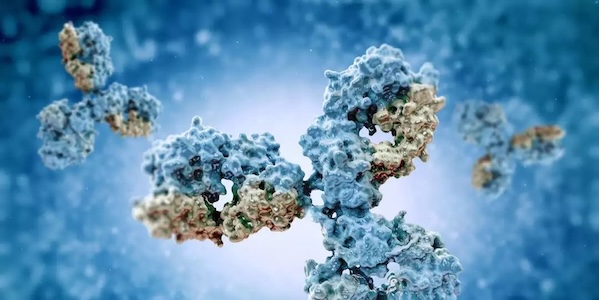 Recently, AbbVie spent $700 million upfront to introduce IGI Therapeutics SA (IGI)'s new trispecific antibody drug ISB 2001, with exclusive rights to develop, manufacture and commercialize in North America, Europe, Japan and Greater China. According to the agreement, IGI will receive a $700 million upfront payment and is eligible to receive up to $1.225 billion in development, regulatory and commercial milestone payments, as well as tiered double-digit net sales royalties.
According to public information, ISB 2001 is a trispecific antibody targeting CD38, BCMA and CD3. It is currently in Phase 1 clinical development for the treatment of relapsed/refractory multiple myeloma and has been granted orphan drug designation and fast track status by the FDA.
Currently, a number of dual-antibody drugs targeting BCMA and CD3 have been approved for marketing for multiple myeloma, including Johnson & Johnson's Tecvayli, Pfizer's Elrexfio and Regeneron's Lynozyfic. ISB 2001 adds CD38 to the combination to enhance its ability to bind to tumor cells with low BCMA expression and prevent cancer from developing drug resistance by downregulating antigen expression. It is expected to become a new generation of drugs for the treatment of multiple myeloma.
01 Pharmaceutical giants continue to increase investment
At this year's ASCO annual meeting, IGI announced the Phase 1 data of ISB 2001 in patients with relapsed or refractory multiple myeloma.
Nearly half of the 35 patients had received BCMA-targeted therapy. More than 40% of the patients had tried T-cell-directed therapy, such as BCMA bispecific antibodies. The overall response rate (ORR) of ISB 2001 was 79%, and nearly 30% of the patients achieved complete remission (CR).
No patient experienced dose-limiting toxicity. Grade 3 or higher hematologic treatment-related adverse events (TEAEs) occurred in 60% of patients. More than two-thirds of patients experienced cytokine release syndrome (CRS), but all cases were grade 1 or 2.
This result successfully attracted AbbVie to include ISB 2001 in its hematological tumor research and development pipeline.
It is worth mentioning that in January this year, AbbVie also introduced a triple antibody for blood tumors - SIM0500 from Simcere, with a total cooperation amount of over US$1 billion. The drug is a trispecific antibody targeting GPRC5D, BCMA and CD3, and is currently conducting a Phase 1 clinical study for relapsed or refractory multiple myeloma (MM) in China and the United States.
Earlier in 2019, AbbVie introduced Harpoon's BCMAxCD3xHSA trispecific antibody HPN217. However, in 2023, it returned the exclusive license rights to the pipeline.
As bispecific antibody technology has been gradually verified, trispecific drugs have also emerged. This year, AbbVie has successively introduced two TCE trispecific products, which shows its attitude towards multispecific antibody drugs and the signal of accelerated technology iteration in the industry. AbbVie CEO Rob Michael said at a Goldman Sachs event in June that multispecific antibodies will be the focus of the company's oncology transactions.
02 Triple Antibody is becoming a new trend
Monoclonal antibodies (mAbs) drugs have been widely used in the fields of tumors, autoimmune diseases, etc. due to their strong specificity, high targeting and few toxic side effects.
However, due to the complexity of the disease, for example, in the field of tumor treatment, due to the complexity of the immunosuppressive microenvironment and tumor immune escape mechanism, such drugs targeting a single target often fail to achieve the desired therapeutic effect, which is clinically manifested as a low response rate and a limited number of benefited groups. Therefore, bispecific antibodies (bispecific antibodies) drugs came into being, providing a new approach for treatment. At present, many bispecific antibody drugs have been approved for marketing worldwide, and their indications are mainly concentrated in the field of tumors.
As bispecific antibodies gradually mature, trispecific antibodies (trispecific antibodies) that can simultaneously target three different target antigens or markers will become the next strategic frontier for pharmaceutical companies to compete.
Compared with bispecific antibodies, trispecific antibodies can also bind to another target on the surface of tumor cells or immune cells, or bridge immune cells and block dual signaling pathways, which is more conducive to redirecting drugs or immune cells to the tumor site, enhancing binding specificity, improving targeting, and reducing off-target toxicity, thereby enhancing anti-tumor ability.
According to different mechanisms of action, trispecific antibodies are mainly divided into: T cell engagers, immune checkpoint inhibitors, NK cell engagers, targeting three tumor-associated antigens (TAA), and trifunctional fusion proteins.
Among them, T cell engagers (TCEs) are the most developed type at present. This type of antibody has a T cell redirection arm at one end (usually targeting CD3), and the other end or multiple ends are connected to other target antigens (usually tumor-associated antigens TAA). Through this structure, TCE can accurately bind target cells to T cells, specifically activate T cells, thereby killing target cells and producing precise therapeutic effects. From the target ranking, we can also see that CD3 is the most selected target for the three antibodies under development worldwide.
Currently, there are no trispecific antibody drugs on the market in the world, but many biopharmaceutical companies have already laid out their plans. Titer data shows that there are currently more than 100 trispecific antibody pipelines under development worldwide, most of which are in the early clinical stage.
In terms of indications, most tri-antibodies are concentrated in the field of tumors, and there are also some projects under development in the fields of immunity, blood, and respiratory diseases. Among them, the fastest-progressing is an ophthalmic tri-specific antibody - Restoret (EYE103), which is the only tri-specific antibody to enter the Phase III clinical stage. The drug is a tri-specific Wnt agonist antibody intended for fundus diseases such as diabetic macular edema (DME) and neovascular age-related macular degeneration (NVAMD).
From the perspective of enterprises, many pharmaceutical giants have already begun to deploy tri-specific antibodies.
Johnson & Johnson already has many products in the field of multiple myeloma (MM), and has currently developed a triple-antibody drug JNJ-5322 (BCMA/GPRC5D/CD3). At this year's ASCO annual meeting, Johnson & Johnson disclosed the first clinical data of the drug, which showed that the ORR reached 100% in RRMM patients who had not received BCMA/GPRC5D treatment, and in patients with triple drug resistance, the ORR was as high as 86%, with efficacy comparable to CAR-T, and is expected to become a strong competitor in the next generation of MM treatment.
AbbVie has introduced two triple antibodies this year to strengthen its moat in the blood field.
AZD5492 developed by AstraZeneca is the world's first CD20/TCR/CD8 trispecific antibody, which is used for relapsed or refractory B-cell malignancies, systemic lupus erythematosus, and idiopathic inflammatory myopathy, and has entered clinical research. AstraZeneca's other trispecific drug AZD9793 (targeting GPC3/TCR/CD8) has also started Phase 1 clinical trials and is intended for a variety of solid tumors.
Merck acquired Harpoon Therapeutics for $680 million, acquiring a series of TCE products including the DLL3/CD3/albumin triple antibody HPN328 (MK-6070). Merck is currently conducting a Phase II clinical study of MK-6070 for small cell lung cancer.
Pfizer has developed two autoimmune trispecific antibodies, PF-07275315 and PF-07264660. The former is an anti-IL-4/IL-13/TSLP trispecific antibody, and the latter is an anti-IL-4/IL-13/IL-33 trispecific antibody. Both products are currently in Phase 2 clinical trials, with indications for atopic dermatitis and asthma. Pfizer has also reached a cooperation with Tianguangshi/Kangyuan Broad to jointly explore the global clinical development opportunities of the GPRC5D/BCMA/CD3 trispecific MBS314 project in MM treatment.
GSK also targets autoimmune triads, and has introduced CD3/CD19/CD20 triad CMG1A46 from Enmu Biotechnology with a down payment of US$300 million and development and commercialization milestone payments of US$550 million. The drug is currently undergoing Phase 1 clinical trials for the treatment of leukemia and lymphoma in the United States and China. However, GSK plans to focus on the development of the candidate drug in the field of B cell-driven autoimmune diseases, such as systemic lupus erythematosus (SLE) and lupus nephritis (LN).
Trispecific antibodies are also popular among Chinese pharmaceutical companies.
In November 2024, Virbac NewCo model licensed its CD19/BCMA/CD3 trispecific antibody LBL-051 to Oblenio Bio.
The three-antibody products of Enmu Bio, Innovent Biologics, and Tianguangshi have also been successfully licensed overseas. In addition, HY05350 (targeting CD3/MSLN/PD-L1) of Huiyu Haiyue, DR30206 (antibody fusion protein targeting PD-L1/VEGF/TGF-β) of Huadong Medicine, SCTB41 of Sinocell (targeting PD-1/VEGF/TGF-β), QLS4131 (targeting GPRC5D/BCMA/CD3) of Qilu Pharmaceutical, CC312 (targeting CD19/CD3/CD28) of Huihe Bio have all entered the clinical development stage.
03 Conclusion
Trispecific antibodies and multispecific antibodies can act on multiple targets simultaneously, working synergistically through multiple mechanisms to provide deeper and more lasting therapeutic effects.
However, the development of trispecific antibodies still faces challenges. For example, their high stimulation of the immune system may cause CRS, and methods to reduce toxicity need to be explored in clinical applications; at the same time, the structure of multispecific antibodies is more complex, and the difficulty of the production process increases as the number of specific targets associated with the antibody increases. The purification process is more complicated than that of monoclonal antibodies and bispecific antibodies.
Despite these challenges and the fact that no products have been approved for marketing, trispecific antibodies have demonstrated great potential and application prospects, and are expected to lead a new frontier in the treatment of diseases such as tumors and immune diseases.
https://news.yaozh.com/archive/45800.html
By editor
Copyright©2026 Ddu. All rights reserved.
Read more on
- FDA Approves Revolution Medicines’ Oral RAS Inhibitor Rasonque (daraxonrasib) for Metastatic Pancreatic Cancer October 20, 2026
- Hansoh Pharma Enters Strategic ADC Collaboration with Roche Worth Over US$15.5 Billion October 20, 2026
- New cough medicine launched October 20, 2026
- Shining on the top stage! The world’s first three-target agonist DR10624 MASLD/MASH Phase II results were selected for the latest breakthrough abstract of AASLD. October 20, 2026
- The world’s first long-acting anti-RSV monoclonal antibody has been commercially launched October 20, 2026
your submission has already been received.
OK
Subscribe
Please enter a valid Email address!
Submit
The most relevant industry news & insight will be sent to you every two weeks.