
The world’s second inhaled insulin has been approved for a new indication.
June 5, 2026
Source: drugdu
 126
126
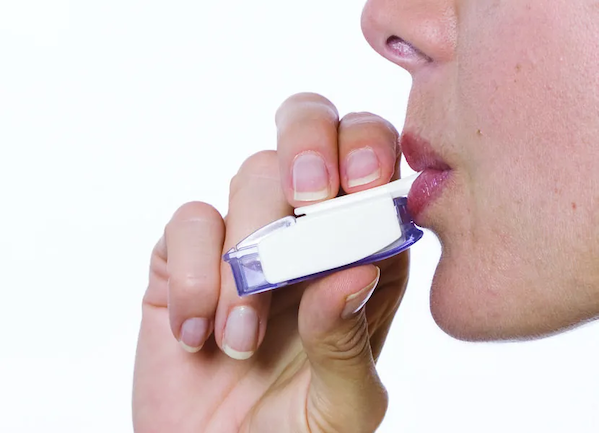
In the field of diabetes treatment, the exploration of non-injectable drug delivery routes has never stopped.
Recently, the U.S. FDA officially approved the expanded pediatric indication for inhaled insulin Afrezza , making it the first and only mealtime inhaled insulin approved for use in children and adolescents aged 6 years and older.
As the second inhaled insulin approved for marketing globally after Exubera, Afrezza's successful entry into the pediatric nursing field not only fills the market gap for needle-free blood sugar control in children, but also marks a milestone in pediatric endocrine therapy.
01
Inhaled insulin can be used for children aged 6 years and older.
The approval of Afrezza's new indication makes it the world's first non-invasive insulin for pediatric use in nearly a century , reshaping the landscape of injectable insulin administration for adolescent diabetes. This drug is rapidly absorbed through the alveoli and takes effect by mimicking the body's physiological insulin secretion pattern, combining clinical efficacy with unique pharmacoeconomic value.
Pharmacists have long been dedicated to overcoming the limitations of insulin delivery due to its large molecular size and changing the current situation of its single injection route. Pfizer's Exubera, a pioneer in this field , ultimately failed to sell well and was withdrawn from the market due to its bulky delivery device and cumbersome operation.
In 2005, Afrezza began its research and development. After a difficult development process and two delays in FDA approval, it was finally approved for the first time in June 2014 for the treatment of adult diabetes. Since then, MannKind has continued to expand its indications, hoping to expand its use in pediatric patients, patients with gestational diabetes, and other groups. After experiencing the withdrawal of its partner in 2015, it finally achieved pivotal Phase III results (INHALE-1) in pediatric patients.
The approval of Afrezza is based on the key findings of the INHALE-1 study: This Phase III study enrolled 230 patients aged 4-17 years with type 1 or type 2 diabetes. After 26 weeks of treatment, HbA1c in the inhalation group changed from 8.22±0.87% to 8.41±1.38%, while in the injection group it changed from 8.21±0.96% to 8.21±1.10%. There was no statistically significant difference in the percentage of time that blood glucose remained within the target range of 70-180 mg/dL between the two groups, confirming comparable efficacy . At the same time, the percentile of body mass index (BMI) in adolescents using Afrezza did not change significantly, while it increased by 3.6% in the injection group, and patients and their parents had higher treatment satisfaction.
Regarding safety, Afrezza has been flagged by the FDA with a black box warning against its use in patients with asthma or COPD due to the risk of inducing bronchospasm. Furthermore, whether long-term use increases the risk of lung cancer remains a point of contention. Of particular note is that at the ADA Annual Meeting in June 2026, MannKind will announce the latest advancements of Afrezza in the fields of gestational diabetes and automated insulin delivery systems (AID).
As a fast-acting prandial insulin, Afrezza has a unique ultra-rapid mechanism of action: thanks to the Technosphere technology developed by MannKind, insulin is adsorbed in monomeric form onto tiny FDKP (diketopiperazine) particles. After being inhaled and reaching deep into the lungs, the FDKP particles rapidly dissolve and enter the bloodstream, producing a high concentration of insulin that drives transmembrane diffusion, mimicking the rapid entry of the body's own secreted insulin into the bloodstream . The drug reaches peak blood concentration in approximately 12-15 minutes, with a duration of action of only about 1.5 to 3 hours, more closely resembling the physiological insulin secretion pattern of a healthy pancreas after eating.
02
The Dilemma of Treating Diabetes in Adolescents
The management of diabetes in adolescents is currently in a predicament of " advanced technology but harsh reality ".
Epidemiological data shows that the global incidence of type 1 diabetes in adolescents is increasing at an average annual rate of 3%-5%, while the growth rate of type 2 diabetes in adolescents is even more alarming. Survey data in my country is particularly severe. A multicenter study (covering 30 provinces in China) published in Endocrine Abstracts in 2025 showed that between 2016 and 2022, the number of hospitalizations for type 2 diabetes in children increased by 19.14% (annual average). The type 2 diabetes population continues to expand and exhibits a gender disparity with a higher incidence in males than females.
Currently, the mainstream treatment for diabetes in adolescents is centered on subcutaneous insulin injections , combined with dietary control, exercise intervention, and blood glucose monitoring. Although this can basically control blood glucose, it has many unavoidable shortcomings in light of the special physiological, psychological, and life circumstances of adolescents, which are key factors contributing to the low rate of achieving target blood glucose levels.
First, treatment adherence is a significant challenge. Adolescents are in a sensitive stage of puberty, and the pain, bruising, and induration caused by multiple daily subcutaneous injections can easily trigger fear and resistance. Furthermore, in public settings such as school meals and group activities, publicly injecting insulin can lead to feelings of inferiority and shame among adolescents. Many patients will deliberately conceal their condition or reduce the frequency or dosage of injections on their own, directly causing uncontrolled blood sugar fluctuations. The direct result is that treatment adherence among adolescent diabetic patients is far lower than that among adult patients.
Secondly, the precision of blood glucose control is insufficient. Traditional rapid-acting insulin injections have a slow onset and delayed peak effect, failing to accurately match the physiological characteristic of rapid postprandial blood glucose rise, easily leading to postprandial hyperglycemia. Furthermore, the drug's long half-life results in a persistently high risk of nocturnal hypoglycemia. Adolescents, with their irregular sleep patterns and high levels of physical activity, have an even higher probability of sudden hypoglycemic episodes, seriously threatening their lives. In addition, long-term use of traditional insulin easily leads to weight gain, and obesity itself is a risk factor for type 2 diabetes, creating a vicious cycle of "obesity-diabetes-weight gain."
Finally, it is extremely inconvenient to use in daily life. Traditional insulin needs to be refrigerated before it is opened, which limits its carrying and storage conditions, making it difficult for teenagers to properly store when they go out to study or travel; at the same time, consumables such as needles and syringes need to be handled in a standardized manner, and the operation process is cumbersome, which further exacerbates the problem of poor treatment compliance.
Long-term uncontrolled blood sugar levels can lead to earlier onset of complications in adolescent patients, resulting in lifelong health damage. The approval of inhaled insulin Afrezza will effectively address the challenges of poor medication adherence and difficulty in storing medications during school years for adolescent patients.
03
Advances in new drugs and cutting-edge technologies for diabetes
In recent years, the field of diabetes treatment has made rapid progress, represented by GLP-1 receptor agonists and innovative insulin delivery routes.
1. Progress in the development of GLP-1 receptor agonists
In recent years, GLP-1 receptor agonists (such as semaglutide) and dual-target agonists (such as telpolide) have made rapid progress. An oral version of semaglutide has also been approved for marketing, significantly improving patient adherence. Its main mechanism of action is glucose-dependent insulinotropic secretion, appetite suppression, and delayed gastric emptying. Although GLP-1 receptor agonists are considered off-label use in patients with type 1 diabetes, retrospective data show that in overweight or obese patients with type 1 diabetes, these drugs can significantly reduce weight, lower HbA1c, and reduce the daily insulin dose. This is currently the biggest "cross-industry" trend.
In addition, GLP multi-target agonists are currently a hot research topic. GLP-1/GIP/glucagon triple agonists (such as Eli Lilly's Retatrutide) are at the forefront of research and development, showing stronger effects in reducing liver fat and weight loss in non-alcoholic steatohepatitis and type 2 diabetes. ZS Pharmaceutical's RAY1225 is currently among the leading domestic products and has entered Phase III development.
2. Progress in Insulin Research and Development
Inhaled insulin (Afrezza) is undoubtedly a revolutionary dosage form in the field of diabetes treatment in recent years. Compared with traditional injections, it solves the core pain points of slow onset of action and injection fear, and has the characteristics of "fast in and fast out," with a PK/PD curve that is currently the closest to the body's own secreted insulin. Currently, inhaled insulin covers all types of diabetes in adolescents aged 6 years and older. With the improvement of long-term clinical trial data, it is expected to further lower the applicable age to cover younger children. At the same time, clinical practice will gradually form a combination treatment plan of "inhaled prandial insulin + basal insulin injection," which takes into account both precise postprandial blood glucose control and basal blood glucose stability, and adapts to the diverse needs of adolescents.
Icodec, a weekly insulin injection , is changing the maintenance treatment model for patients with type 2 diabetes. It reduces the number of injections per year from 365 to 52, significantly alleviating the burden of basal insulin injections.
Oral insulin is currently in the preclinical research stage. The research team at Kumamoto University plans to use small intestinal permeable cyclic peptides (DNP peptides) to promote the intestinal absorption of macromolecular drugs. Among them, DNP peptides mixed with zinc-stabilized insulin hexamers can reduce blood glucose in diabetic model mice to the normal range.
Automated Insulin Delivery Systems (AIDs) have ushered in a new era for the treatment of type 1 diabetes. The latest systems use algorithms to not only prevent hypoglycemia but also automatically correct hyperglycemia. The future direction is a "completely closed loop," meaning no need for large pre-meal doses and fully automatic adjustment. MannKind also has a presence in the AID field and plans to develop the INHALE-Q digital ecosystem, aiming to integrate inhaler usage data with continuous glucose monitoring data to help patients better control their blood sugar.
In summary, the approval of Afrezza for patients aged 6-18 years is not only a turning point for MannKind, but also marks a new era of "ultra-fast" and "needle-free" insulin therapy for adolescent diabetes. For a long time, painful injections and low adherence have been the core pain points in adolescent diabetes treatment. The widespread adoption of inhaled insulin will completely reverse this predicament and restructure the adolescent diabetes diagnosis and treatment system. At the same time, non-invasive insulin delivery technology will drive the development of related innovative dosage forms, promoting a transformation in diabetes treatment towards non-invasiveness, convenience, precision, and humanization.
https://news.yaozh.com/archive/48246.html
By editor
Copyright©2026 Ddu. All rights reserved.
Read more on
- What Are Buyers Looking For, and What Are Suppliers Focused On? September 23, 2026
- Novartis acquires Sironax’s blood-brain barrier delivery platform for $125 million September 17, 2026
- IASO Bio’s in vivo CAR-T IASO208 receives FDA clinical trial clearance September 17, 2026
- NMPA accepts marketing registration application for Velsipity domestic manufacturing transfer September 17, 2026
- Ziprasidone mesylate from SSY Group has been approved for registration as an active pharmaceutical ingredient. September 17, 2026
your submission has already been received.
OK
Subscribe
Please enter a valid Email address!
Submit
The most relevant industry news & insight will be sent to you every two weeks.