
In the multi-billion dollar cardiovascular market, these two targets have become the “new favorites”
December 3, 2025
Source: drugdu
 517
517
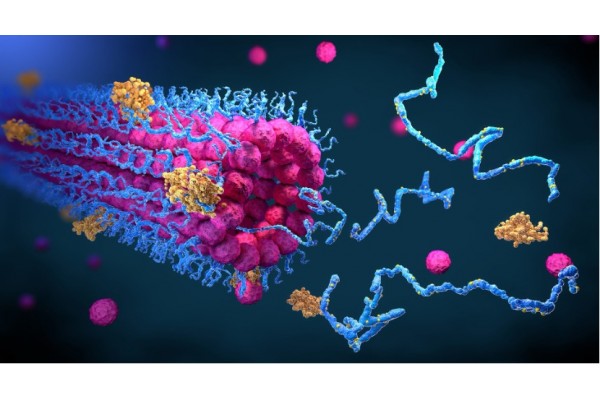 In recent years, the field of cardiovascular disease treatment has been undergoing a profound transformation. PCSK9 and Lp(a), two emerging targets, have emerged as hotly contested areas for multinational pharmaceutical companies, ushering in a new golden age for cardiovascular disease treatment.
1
Two golden targets are coming
Atherosclerotic cardiovascular disease (ASCVD) is a collective term for a group of diseases affecting blood vessels and the heart throughout the body caused by atherosclerosis, including coronary heart disease, cerebrovascular disease, and peripheral artery disease. ASCVD is one of the leading causes of death worldwide. The Global Burden of Disease Study shows that ischemic heart disease has consistently ranked as the leading cause of death globally in both 1990 and 2021.
In China, there are approximately 500 million adults with dyslipidemia, of whom about 120 million have hypercholesterolemia. Statins are the cornerstone of lipid-lowering therapy for dyslipidemia. They reduce cholesterol synthesis by inhibiting the rate-limiting enzyme in cholesterol synthesis and simultaneously upregulate LDLR on cell surface, accelerating the breakdown and metabolism of serum LDL. However, doubling the dose of statins only increases the LDL-C lowering effect by 6%. Furthermore, statins also carry safety risks such as abnormal liver enzymes, myopathy, and new-onset diabetes. The need for daily medication leads to poor adherence and high discontinuation rates, all of which limit their clinical benefits. Studies show that discontinuing statins significantly increases the risk of recurrent cardiovascular events.
When statins fail to achieve target LDL-C levels, combination therapy becomes essential. According to Chinese guidelines for lipid management, moderate-intensity statins can lower LDL-C by 25%–50%, while combining them with non-statin drugs such as cholesterol absorption inhibitors or PCSK9 inhibitors can further increase the reduction to 50%–70%, further reducing major adverse cardiovascular events on top of statin therapy. For some very high-risk patients with high baseline LDL-C levels or who are intolerant to statins, early combination with PCSK9 inhibitors can achieve faster and more sustained lipid target achievement, providing clear cardiovascular protective benefits.
Elevated Lp(a) levels are an independent risk factor for atherosclerotic cardiovascular disease. To date, there are no approved drugs globally that specifically lower Lp(a) levels. Lp(a) has a dual role in promoting inflammatory responses and accelerating atherosclerosis. Its levels are primarily determined by genetic factors, and traditional lipid-lowering regimens struggle to effectively regulate it. Therefore, developing treatments targeting Lp(a) has become a novel research direction in the field of cardiovascular disease prevention and control.
Driven by these clinical needs, global pharmaceutical companies are focusing their R&D efforts on novel lipid-lowering targets. According to the PharmData database, PCSK9 and Lp(a) have become two key targets for pharmaceutical companies in the current global cardiovascular drug development pipeline. Multinational pharmaceutical companies such as Eli Lilly, Novartis, and Merck are actively advancing drugs targeting these two targets, and a research race centered around novel lipid-lowering targets has begun.
2
PCSK9 target: Multiple technical approaches pursued simultaneously
Currently, there are 6 PCSK9 monoclonal antibody drugs on the market globally, and 1 siRNA drug has been approved. The products under development cover monoclonal antibodies, siRNA, small molecules, oral cyclic peptides and even gene editing therapies, presenting a research and development pattern of multiple technology paths.
For a long time, research on novel lipid-lowering drugs such as PCSK9 inhibitors has focused primarily on high-risk individuals who have previously experienced major atherosclerotic cardiovascular events such as myocardial infarction or stroke. However, for patients who have not yet experienced such serious events but still possess high-risk factors, the actual efficacy of these drugs has lacked large-scale clinical evidence.
The VESALIUS-CV study of the PCSK9 monoclonal antibody evolocumab filled this gap, demonstrating that evolocumab also significantly reduced the risk of the first major adverse cardiovascular event (MACE) in high-risk individuals without a history of myocardial infarction or stroke. Results showed a 25% reduction in the risk of 3-point MACE (HR 0.75) and a 19% reduction in the risk of 4-point MACE (HR 0.81).
Amgen's evolocumab is the world's first PCSK9 inhibitor, and its commercial performance has been outstanding. In 2023, its sales reached US$1.635 billion, and in 2024, it grew by 36% year-on-year to US$2.222 billion, and it is still in a period of rapid growth.
Compared to monoclonal antibodies, which require injections every 2-4 weeks, PCSK9 siRNA drugs degrade PCSK9 mRNA in the liver through RNA interference, reducing PCSK9 protein production at its source and achieving a longer-lasting lipid-lowering effect.
Novartis' inxelane sodium injection, developed in collaboration with Alnylam, is the world's first approved long-acting PCSK9 siRNA formulation. Regarding the dosing regimen, a booster injection is given three months after the first dose, followed by only two injections per year thereafter, significantly improving patient compliance. In terms of efficacy, pivotal Phase III data for inxelane sodium injection showed a 52.3% reduction in LDL-C levels from baseline after 510 days of treatment, with a favorable safety profile.
Inxela sodium injection has been approved in the United States and China, and its sales have grown rapidly, reaching $355 million in 2023 and doubling to $754 million in 2024. Novartis is currently advancing the application of inxela sodium in primary and secondary cardiovascular prevention, further expanding its market reach.
In the area of oral PCSK9 inhibitors, Merck's Enlicitide (MK-0616) and AstraZeneca's Laroprovstat (AZD0780) are progressing rapidly, with both drugs currently in Phase III clinical trials.
Merck's MK-0616 is a synthetic small molecule cyclic peptide that can be absorbed through the digestive tract. Results from the pivotal Phase III CORALreef Lipids trial showed that in ASCVD patients who had received stable lipid-lowering therapy or were intolerant to statins, once-daily administration for 24 weeks reduced LDL-C by 55.8% compared to the placebo group (P < 0.001), demonstrating significant efficacy.
AstraZeneca's AZD0780 has an advantage in oral bioavailability, allowing for flexible adjustment of dosing on an empty stomach or after a meal. The Phase IIb PURSUIT study of AZD0780 showed that, in addition to standard statin therapy, treatment with AZD0780 at a daily dose of 30 mg for 12 weeks resulted in a 50.7% reduction in LDL-C compared to the placebo group. Furthermore, 84% of patients in the treatment group achieved the guideline-recommended target LDL-C < 70 mg/dL, compared to only 13% in the placebo group.
Building on long-term efficacy, gene editing technology is propelling PCSK9-targeted therapy towards a "one-time cure." In June 2025, Eli Lilly acquired Verve Therapeutics for $1.3 billion, gaining access to the in vivo PCSK9 editing therapy VERVE-102. This drug delivers an adenine base editor (ABE) via lipid nanoparticles (LNPs), permanently shutting down the expression of the PCSK9 gene in the liver and fundamentally blocking PCSK9 protein production.
Positive data from the Phase Ib Heart-2 study of VERVE-102 showed that in four patients who received a single intravenous infusion of the highest dose (0.6 mg/kg), LDL-C decreased by an average of 53%, with a maximum reduction of 69%. Although gene-editing therapy still faces challenges in long-term safety and drug delivery technology, this direction offers a new possibility for the radical cure of cardiovascular disease.
3
Lp (a) target: a battle among giants
Currently, there are no drugs approved globally that specifically lower Lp(a), but multiple pathways, including antisense oligonucleotides (ASO), siRNA, and oral small molecules, have entered late-stage clinical trials, becoming one of the most watched emerging tracks in the cardiovascular field.
Novartis' Pelacarsen is a GalNAc-conjugated ASO drug that mediates the degradation of apo(a) mRNA through complementary binding. It is the world's first Lp(a)-targeted drug to enter Phase III trials. The drug was licensed to Ionis, with Novartis paying a $75 million upfront payment, up to $825 million in milestone payments and sales royalties.
Phase II clinical data from Pelacarsen showed that 60 mg injected every 4 weeks or 20 mg injected weekly reduced Lp(a) levels by 72% and 80%, respectively, with good safety profiles. The Phase III HORIZON trial has enrolled 8,325 cardiovascular disease patients to assess the impact of Lp(a) reduction on MACE events. Data is expected to be available in the first half of 2026, with an NDA submission in the second half of 2026, potentially making it the first approved drug.
Amgen's Olpasiran is an siRNA drug targeting LPA mRNA, with a single injection providing efficacy for 12 weeks. Its Phase II OCEAN (a)-DOSE study showed that a 225mg dose administered every 3 months resulted in a 101.9% reduction in Lp (a) levels at week 48, and maintained a 36.4% reduction at week 96, demonstrating significant long-term efficacy. The drug is currently undergoing a Phase III OCEAN (a) outcome trial to further validate its cardiovascular benefits.
Eli Lilly's Lepodisiran (siRNA) is administered once every 6 months. The drug was licensed from Dicerna (later acquired by Novo Nordisk for $3.3 billion) in a $550 million deal. Its Phase II ALPACA study showed an average reduction of 93.9% in Lp(a) levels over 60 to 180 days after a single or two-dose administration, with a 75.2% reduction in the 96 mg dose group. Phase III clinical trials are expected to be completed in 2029.
While nucleic acid drugs are making a strong push for first-launch success due to their long-acting properties, oral small-molecule Lp(a) inhibitors are emerging as another key force in the field due to their ease of administration. These drugs typically do not require injection and are more readily accepted by patients.
Muvalaplin, independently developed by Eli Lilly, is a representative drug in this field. It inhibits Lp(a) assembly by blocking the binding of apo(a) to apoB. Phase II data from Muvalaplin showed that after 12 weeks of daily oral doses of 10 mg, 60 mg, or 240 mg, compared to placebo, the maximum reduction in Lp(a) levels measured by conventional assays reached 70%, and the maximum reduction measured by intact Lp(a) particle assays reached 85.5%. In the 60 mg and 240 mg dose groups, 95.9% and 96.7% of patients, respectively, had Lp(a) levels below 125 nmol/L, compared to only 6.0% in the placebo group.
This promising sector has attracted intense collaborations among multinational pharmaceutical companies. In October 2024, AstraZeneca reached an agreement with CSPC Pharmaceutical Group to acquire the preclinical small molecule Lp(a) inhibitor YS2302018 for an upfront payment of $100 million plus $1.92 billion in milestone payments, with plans to use it in combination with the oral PCSK9 inhibitor AZD0780 in the future. In March 2025, Merck acquired the global rights to Hengrui Medicine's oral small molecule inhibitor HRS-5346 for a total amount of $1.97 billion.
4
Conclusion
From traditional statins to PCSK9 and Lp(a) targeted drugs, lipid management is undergoing a profound transformation. The PCSK9 target has achieved iterations through multiple technical pathways, from injection to oral administration, and from short-term dosing to long-term cure, providing diversified options for patients who are intolerant to or do not achieve their target levels with statins. In the development of the Lp(a) target, the dual competition between nucleic acid-based and oral small molecule drugs holds the promise of bringing the first targeted therapy to 1.4 billion patients worldwide.
In the future, with the development of more efficient delivery technologies, the treatment of ASCVD will move towards higher adherence and benefits for a wider range of people. For the industry, continued breakthroughs in these two targets will reshape the competitive landscape of the global cardiovascular drug market, bringing broad growth opportunities for innovative pharmaceutical companies.
https://news.yaozh.com/archive/46381.html
By editor
Copyright©2026 Ddu. All rights reserved.
Read more on
- Novo Nordisk and Nanexa Ink Up to €1.165B Long-Acting Delivery Deal for Obesity and Diabetes September 29, 2026
- siRNA Biotech ADARx Raises $446M in 2026’s Third-Largest Biotech IPO September 29, 2026
- Merck and Eisai’s Welireg Plus Lenvima Approved by FDA for Previously Treated Advanced Kidney Cancer September 29, 2026
- Mirum and Incyte’s Atebrioz Wins FDA Approval for Rare Bone Disorder FOP September 29, 2026
- J&J in Talks to Sell DePuy Synthes to Apollo September 29, 2026
your submission has already been received.
OK
Subscribe
Please enter a valid Email address!
Submit
The most relevant industry news & insight will be sent to you every two weeks.